
5 Honda Myths We Bust Every Day as Professional Wreckers
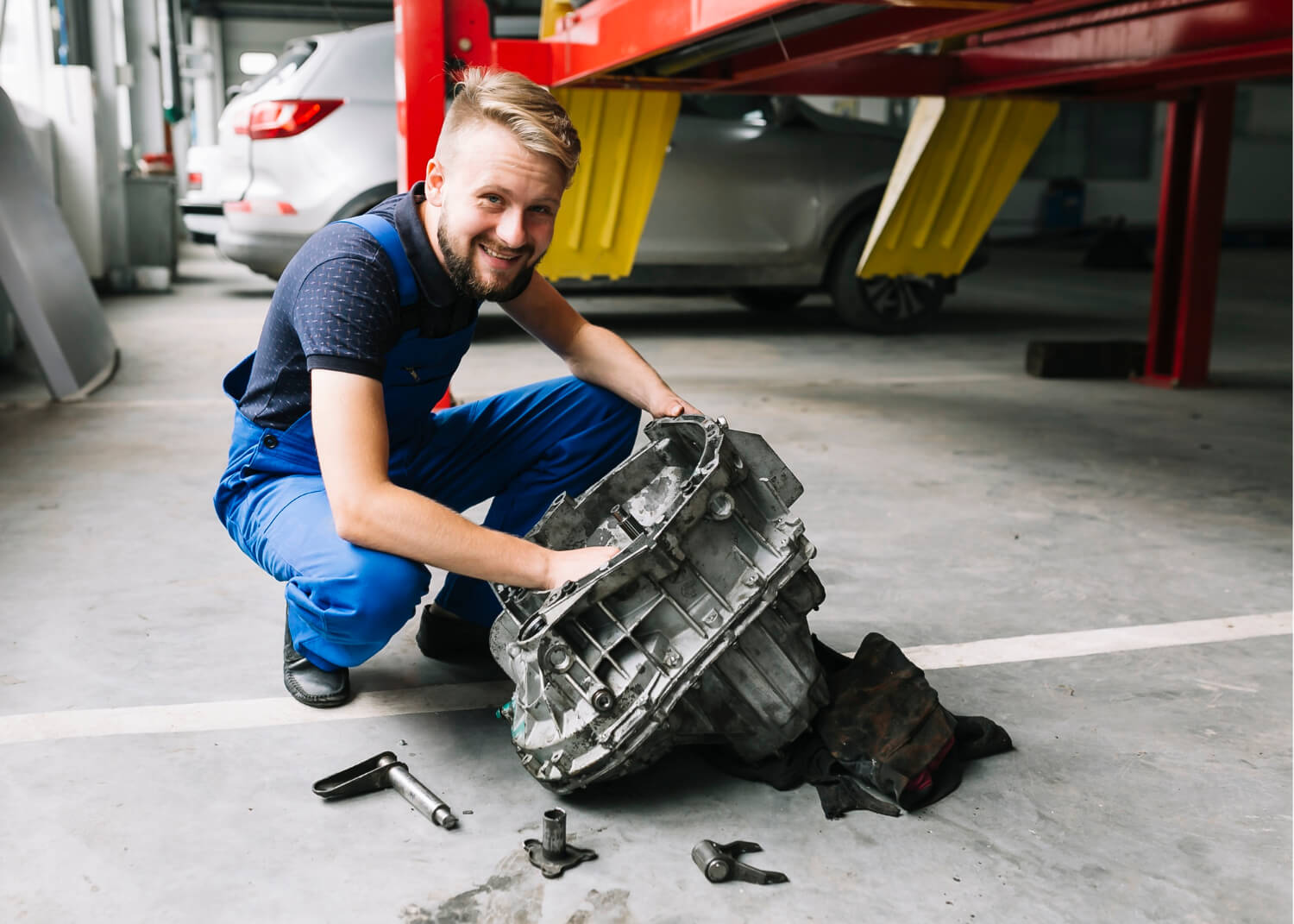
Welcome to the world of automotive myths where even the mighty Honda isn’t immune to a bit of storytelling. Whether you own a Swift or a Legend, you’re probably aware of the peculiar myths that float around in the local garage or at the hands of those self-proclaimed car experts down the pub. Today, we’re diving into five prevalent myths about Honda car repair that we, as professional wreckers, encounter every single day. We’ll separate the fact from fiction and equip you with the knowledge to keep your Honda in peak condition. Let’s get myth-busting, mate!
Myth 1: “Hondas Never Break Down”
Ah, the classic yarn that Hondas are indestructible. While it’s true that Hondas are renowned for their reliability and longevity, claiming they never break down is a bit of an exaggeration. Like any other vehicle, a Honda can develop issues over time, especially if it’s not maintained properly. From transmission failures and locking issues to oil leaks and dead batteries, Hondas can face a variety of problems.
Regular maintenance is the key. Paying attention to warning lights and scheduling timely oil changes, brake inspections, and battery checks, can prevent these breakdowns. Proper care ensures the myth stays as just that—a myth.
Myth 2: “Wreckers Don’t Sell Reliable Parts”
This myth implies that parts from wreckers are as dodgy as a wet week. However, the opposite is often true. Professional wreckers are experts at identifying quality used parts that can offer an affordable and reliable alternative to brand-new parts.
At wrecking yards, you can find everything from engines and transmissions to smaller components like ignition coils or an oxygen sensor. Before any part is sold, it undergoes thorough testing to ensure its reliability. So, next time you need a replacement part, don’t be hesitant to visit a wrecking yard. You might just find exactly what you need without the hefty price tag.
Myth 3: “Honda Air Conditioning is Unbeatable”
Aussie summers can be brutal, and reliable air conditioning is a must. While Hondas do feature efficient air conditioning systems, they’re not exempt from issues. Problems such as AC blow warm air due to a faulty compressor clutch relay can occur. Fortunately, many of these issues are identifiable and fixable, sometimes as simple as swapping a blower motor relay.
Annual servicing of your air conditioning system is recommended to maintain performance and tackle any brewing problems. So yes, while Honda’s AC systems are decent, regular checks still keep that chill factor cranking.
Myth 4: “Honda Brakes Last Forever”
We’re busting another big one here—brakes have a lifespan. Driving habits, road conditions, and the quality of brake pads directly impact their longevity. Hondas, like other cars, require regular brake inspections to detect worn-out brake pads or warped brake rotors.
The earlier you spot these issues, the less damage they do, saving you money and ensuring safety. Consider replacing brake pads and resurfacing or replacing the rotors as needed to maintain your Honda’s braking performance.
Myth 5: “You Don’t Need Regular Emissions Checks for Hondas”
An often-overlooked aspect of car maintenance in Australia involves emissions checks. People believe they’re unnecessary, especially for reliable makes like Honda. In reality, emissions issues can stem from various sources such as a faulty oxygen sensor or catalytic converter issues. These problems not only impact fuel efficiency but might cause your car to fail emissions tests.
To avoid the hassle, regular maintenance checks and timely replacements of necessary components will keep your vehicle in line with environmental standards and running smoothly.
Conclusion: Keeping Myths in the Past
In the grand tapestry of motoring myths, it’s easy to get caught up in what’s commonly passed around as truth. However, owning a Honda equates to balancing the knowledge of its renowned reliability with the practical understanding of regular maintenance. From weekly starts to checking those dashboard warning lights, being proactive keeps these myths just that—myths.
If you’re ever unsure about any repairs or maintenance, or if a particular myth’s got you stumped, it’s always wise to consult with a professional mechanic or wrecker. Keep enjoying the road with your Honda, now better equipped with the truth behind these everyday myths!
Q: Why does my Honda’s transmission fail?
A: Transmission failure can be due to various reasons including worn-out clutch packs, faulty solenoids, or low transmission fluid levels. Regular maintenance and prompt repair of any issues can help prevent transmission failure, so keep an ear out for unusual noises while driving.
Q: How can I fix my Honda’s locking issues
A: Locking issues are best addressed by a Honda dealership as they require specialized attention. If your car locks and unlocks unexpectedly, don’t hesitate to get professional help to ensure proper diagnosis and repair.
Q: What causes oil leaks in my Honda?
A: Oil leaks can be caused by worn-out or damaged parts, improper installation, or neglecting regular oil changes. It’s best to follow the manufacturer’s oil change schedule and keep an eye on your dashboard lights to avoid significant engine problems.
Q: Why does my Honda’s battery keep dying?
A: A dead battery can be due to not using the car for an extended period, leaving electrical features on, or a faulty charging system. To avoid this, regularly start your car and make sure all electronics are turned off. If problems persist, consider replacing your battery.
Q: How do I diagnose air conditioning problems in my Honda?
A: To troubleshoot air conditioning problems, you can use a scan tool to check if the AC switch and clutch are functioning. If they’re fine but the issue continues, try swapping the relay with the blower motor relay—it might just be a faulty component causing you grief.
Q: What can I do to prevent brake problems in my Honda?
A: Regular brake inspections are essential to catch wear and tear before it becomes serious. Keep an eye on your driving habits and make sure to replace your brake pads when necessary to ensure your brakes perform well over time.
Q: How do engine misfires impact my Honda?
A: Engine misfires can hurt your fuel efficiency and vehicle performance, often caused by faulty spark plugs or fuel injectors. If you suspect a misfire, it’s important to have it diagnosed by a mechanic to prevent further engine damage.
Q: What should I do if my Honda fails emissions testing?
A: Failing emissions testing can stem from issues like a faulty oxygen sensor or catalytic converter problems. Addressing these problems usually involves checking and possibly replacing damaged components, so keep up with regular maintenance to avoid this hassle.
Q: How important is preventive maintenance for my Honda?
A: Preventive maintenance is crucial for extending the lifespan of your vehicle. Regular checks on oil levels, brakes, and the battery can spare you from costly repairs and keep your car running smoothly.
Q: Should I attempt to repair my Honda myself?
A: While some minor repairs can be DIY projects, it’s always wise to consult a professional mechanic for complex issues. Ensuring proper repair is essential to your car’s longevity and safety, so don’t hesitate to seek help when needed.