
DIY Holden Repairs: What You Can Fix Yourself and What Requires a Professional
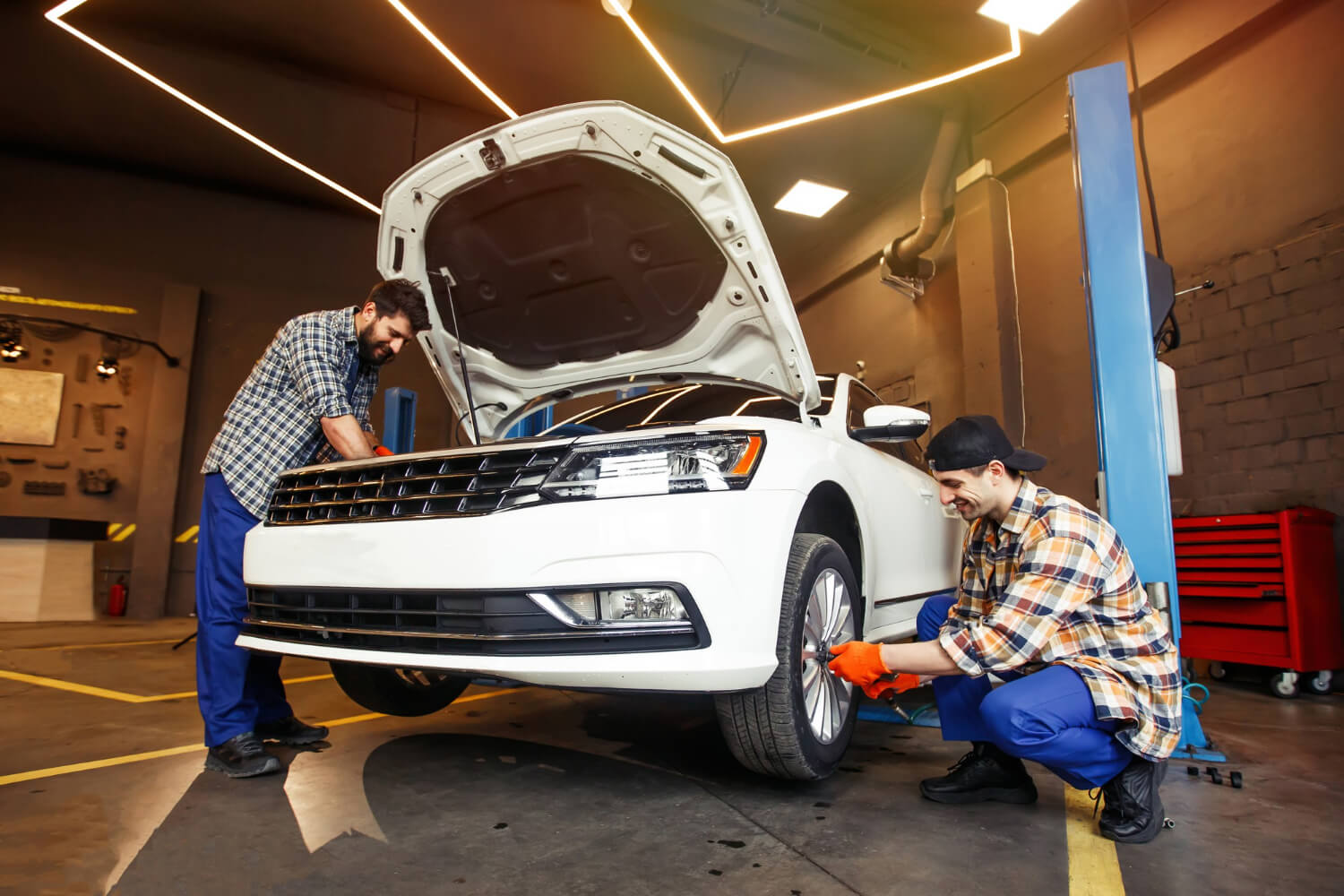
G’day, mate! If you’re cruising around in a Holden, chances are you’ll need to roll up your sleeves and get a bit greasy from time to time. Whether you’re a hands-on bloke or just trying to save a few bucks, knowing what you can tackle on your own versus when to call in the pros is crucial. In this guide, I’m gonna walk you through some DIY Holden repairs while explaining the bits best left to a professional mechanic.
Understanding Your Holden Vehicle
Before you start tinkering away, get to know your Holden. Whether you’ve got a classic EH with the iconic ‘red motor’ or one of the more contemporary models, each brings its own set of quirks. The more familiar you are with your ride’s specifics, the better you’ll be at spotting what needs fixing.
Service and Repair Manuals
First things first, grab yourself a service and repair manual. These guides are worth their weight in gold, giving you step-by-step instructions for everything from swapping out spark plugs to more complicated engine surgery. They’re full of diagrams and schedules that make the tricky jobs seem less daunting.
Key Areas of Repair
Engine and Transmission
A working engine and transmission are non-negotiable for your Holden’s health. Here’s what you can consider doing yourself:
- Basic Engine Maintenance: Stuff like changing the oil and replacing the air filters is a cinch once you know the ropes.
- Spark Plug Replacement: Swapping out spark plugs can breathe new life into your Holden’s performance. It’s as straightforward as unscrewing the old ones and replacing them.
But, when it comes to engine rebuilds or transmission overhauls? Best leave these to the seasoned professionals. Trust me, wrestling with pistons and bearings isn’t a Saturday arvo job.
Electrical and Electronics
Modern Holdens are kitted out with all sorts of electronics. Here’s what you might tackle yourself if you’re feeling brave:
- Fuses and Lights: Replacing a blown fuse or a dud light bulb is usually no sweat. Make sure you’re using the right amp fuses, though.
- Gizmos and Gadgets: Casual troubleshooting of infotainment systems or wiring is doable, but it helps to have a basic understanding of auto-electrics.
If you’re dealing with complex electrical problems, it’s safer and, frankly, cheaper in the long run to get a professional diagnosis.
Brakes and Suspension
Your Holden’s handling and braking need constant attention. Here’s what’s manageable at home:
- Brake Pads: They wear down over time and are easy to inspect and replace if you’ve got the right tools and confidence.
- Tires and Alignment: Checking tire pressures and tread depth is a no-brainer, but proper wheel alignment is best left to the experts.
Body and Chassis
If you’re sprucing up a classic or tidying post-accident woes, here are some DIY aspects:
- Bodywork Touch-Ups: Small dents and scratches can be addressed with some body filler and paint. For full restorations, photographic records will be your best friend during reassembly.
Serious structural damage? That’s not a job to mess about with—get a pro in.
Maintenance Schedules
Staying on top of regular maintenance can’t be stressed enough:
- Follow the oil change schedule religiously to keep your engine purring.
- Tire checks, air con filters, and battery condition should never fall off your checklist.
Testing and Tuning
Once you’ve hammered out a few fixes or upgrades, testing is essential:
- After a DIY tune, take your Holden for a spin to listen and feel out anything unusual.
- Smaller adjustments to things like ignition timing should be expected, especially with older engines.
Final Words of Wisdom
Being a DIY Holden mechanic can be immensely satisfying, but it’s about knowing your limits. Keep detailed notes, use the correct tools, and don’t skimp on new, correct fasteners, especially if you’re restoring a classic. When in doubt, check in with a seasoned professional to ensure your prized possession stays in tip-top shape.
By sticking to these guidelines, your Holden will serve you well on the road, with fewer pit stops at the mechanic’s. Whether you’ve got a classic or a contemporary model, a bit of preventative care and some hands-on work can go a long way to ensuring your Holden runs smoothly. Happy tinkering!
FAQs
What resources do I need for repairing my Holden?
For repairing your Holden, you’ll need the service and repair manual specific to your model, the right tools and equipment, and access to detailed repair procedures. These resources will help guide you through everything from basic maintenance to complex repairs, ensuring you have what you need right at your fingertips.
How often should I service my Holden?
It’s best to service your Holden according to the schedule outlined in your vehicle’s Service and Warranty Booklet. Regular checks of oil levels, brakes, tires, and other systems should also be done to keep things running smoothly. Generally, servicing every six months or 10,000 km tends to be a solid rule of thumb.
What are the key steps in restoring a classic Holden?
When restoring a classic Holden, start with assessing the vehicle’s condition. Then, proceed with rebuilding or overhauling the engine and transmission, and replace any cooling system components if needed. Finally, focus on detailed reassembly and ensure everything is functioning as it should before taking it for a spin.
How do I ensure my Holden’s safety features are up-to-date?
To keep your Holden’s safety features current, regularly check for any active recalls, particularly related to critical items like airbags. Holden’s official website often provides updates and arrangements for replacement parts, ensuring you can maintain safety without a fuss.
What basic repairs can I do at home?
Some simple repairs you can do at home include replacing air filters, spark plugs, and checking fluid levels. These tasks typically require minimal tools and can save you some cash, plus they’re a good introduction to DIY automotive repairs. Just be sure to consult your service manual to follow the right steps.
When should I seek professional help for Holden repairs?
If you encounter complex issues like electrical faults, engine problems, or if you’re unsure about a specific repair, it’s best to call in a professional. These repairs often require specialized tools and knowledge that can be hard to get for the average DIYer. Don’t hesitate to reach out for help when needed!
How can I find parts for my Holden?
You can find parts for your Holden through various sources, including specialized auto parts stores, online retailers, and wreckers like nisswreck.com.au. Always make sure to check for the compatibility of parts with your specific Holden model, and consider whether you need new or second-hand components based on your budget.
What tools do I need for basic Holden repairs?
Essential tools for basic Holden repairs include socket sets, screwdrivers, pliers, and jacks. Depending on the repairs you plan to undertake, you may also need specialized tools like torque wrenches or diagnostic equipment. Having a good toolbox at the ready is like having a trusty mate around for when things get tricky!
How can I prevent common issues with my Holden?
To prevent common issues, maintain regular service schedules and perform routine checks of vital components like tires, brakes, and fluids. Keeping up with oil changes and ensuring optimal tire pressure can also go a long way in preventing headaches down the road. Prevention is key, mate!
What should I document during repairs?
During any repair process, keep detailed notes and take photos. This documentation will make reassembly much easier and help you track any issues you might be facing. It’s like keeping a diary for your car, mate, and can save you from scratching your head later!