
Haval Repair: Tackling Transmission Problems Before They Become Major Headaches
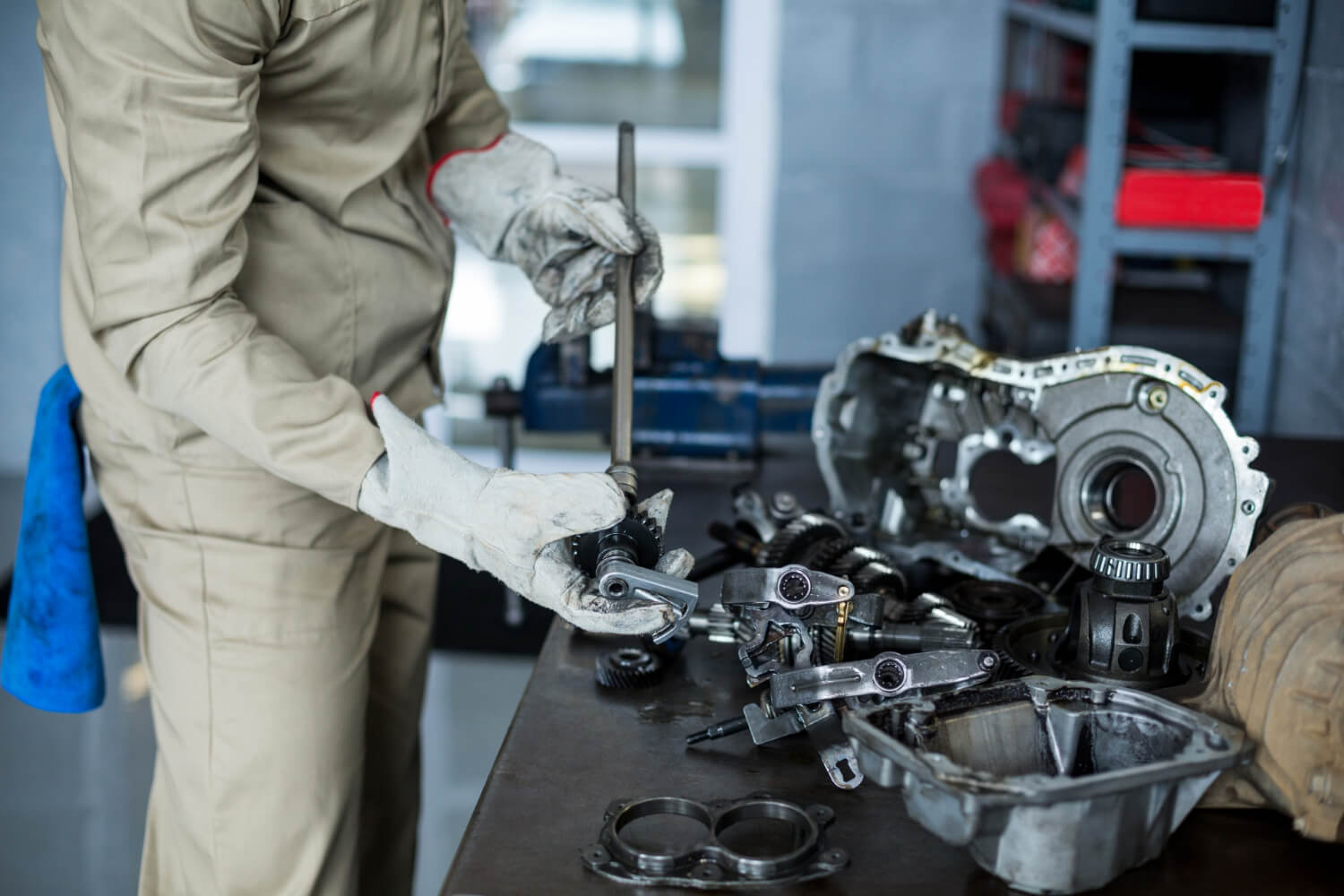
G’day folks! Owning a Haval is a bit of a treat, isn’t it? These Beasts offer a brilliant mix of comfort and capability on Aussie roads. But like all vehicles, they sometimes encounter issues, particularly with the transmission, which, if not addressed early, can become a bit of a nightmare. So, let’s dive into how you can spot these transmission troubles before they drain your wallet and patience.
Understanding Your Haval’s Transmission System
Your Haval’s transmission is a complex piece of machinery with different systems like the GW7DCT1-A02 for 2WD and GW7DCT2-A02 for 4WD. Each system plays a crucial role in transferring power from the engine to the wheels. A smooth-functioning transmission ensures your daily drive, or adventurous off-road trips, remain seamless and enjoyable.
Early Symptoms of Transmission Problems
When it comes to spotting transmission problems in your Haval, there are a few symptoms that should raise red flags:
- Slipping Gears: If your Haval feels like it’s randomly changing gears, or if it pops out of gear, it’s time to get a check-up. This could mean the transmission is struggling to grip and hold the gear, indicating wear or a deeper issue.
- Strange Noises: Any grinding, whining, or clunking sounds while shifting gears are signals that shouldn’t be ignored. These noises might be the transmission’s way of begging for attention.
- Delayed Response: Experiencing a delay when shifting from park to drive or reverse? This could be a clutch problem or a sign of worn-out transmission parts.
- Leaking Fluid: Transmission fluid is usually a bright red. If you find a pool of fluid under your Haval, it’s crucial to investigate further.
- Warning Lights: An illuminated ‘check engine’ light could sometimes be linked to transmission issues, so don’t ignore it.
Addressing Transmission Issues in Time
Spotting these symptoms early can save you a world of trouble. Here’s what to do if you notice any early signs of transmission problems:
1. Regular Transmission Fluid Checks
Transmission fluid is the lifeblood of your Haval’s transmission system. It ensures all parts are well-lubricated and helps in heat management. Checking and, if necessary, replacing the fluid regularly can nip many issues in the bud.
2. Timely Repairs and Part Replacements
If your Haval is displaying any of the symptoms mentioned, don’t delay the repairs. Whether it’s fixing a slipping gear or replacing worn-out parts, tackling the issue head-on will prevent further damage and expensive fixes later.
3. Consult the Repair Manual
For the DIY enthusiasts, having a repair manual on hand can be invaluable. These manuals are packed with step-by-step instructions for maintenance and repairs, covering everything from engine specs to the nitty-gritty of transmission systems.
Maintenance Tips for a Trouble-Free Transmission
Keep the Cooling System in Check
Your Haval’s cooling system isn’t just for the engine. It also prevents the transmission from overheating. Regular checks and timely replacements of parts like the water pump and thermostat are crucial.
Replace Filters and Belts
The health of your transmission is linked to the overall condition of your vehicle. Regular replacement of filters (oil, air, fuel) and belts helps maintain the vehicle’s performance and reduces wear on the transmission.
Don’t Neglect the Rest of the Drivetrain
Your transmission works hand-in-hand with the rest of your drivetrain. Ensuring that components such as wheel bearings, control arms, and shock absorbers are in good condition helps maintain transmission efficiency.
The Importance of Professional Help
Unless you’re a seasoned mechanic, complex transmission issues often require the expertise of a professional. Attempting complicated repairs without the right skills and tools can lead to more harm than good.
Join the Haval Community for Support
Connecting with other Haval owners on forums and online communities can offer additional support. Sharing experiences and solutions can be incredibly helpful if you’re dealing with common issues.
Safety First: Precautions When Repairing Your Car
Always adhere to safety protocols when performing repairs. Use the right safety gear and ensure your vehicle is securely lifted if you’re working underneath it. Refer to the recommended torque settings when reassembling parts to avoid damaging components.
Conclusion: Keep Your Haval Running Smoothly
In the end, the secret to a long-lasting and efficient transmission lies in regular maintenance and early detection of issues. By keeping an eye out for the symptoms we’ve discussed and acting promptly, you can ensure that your Haval remains a reliable companion, whether you’re cruising through the city or exploring the great Australian outback. For all your Haval repair needs, remember that a detailed manual and the professional community can be your best mates. Safe travels!
FAQs
What is Haval repair?
Haval repair refers to the process of maintaining and fixing any issues related to Haval vehicles. This can cover everything from engine repairs to addressing transmission problems. Understanding your vehicle’s maintenance needs can help you identify and fix issues before they lead to costly repairs.
How do I identify transmission issues in my Haval?
Some common signs of transmission issues in your Haval include slipping gears, unusual noises, or trouble shifting. If you notice any of these symptoms, it’s crucial to get your vehicle checked out sooner rather than later to avoid more significant problems down the line.
Where can I get repair manuals for my Haval?
You can find detailed repair manuals for Haval vehicles through the official Haval website or reputable automotive forums. These manuals typically provide step-by-step instructions for troubleshooting and repairing various components, ensuring you have the guidance you need.
What is included in Haval vehicle maintenance?
Regular maintenance for Haval vehicles includes oil changes, filter replacements, brake inspections, and tire rotations. Following the manufacturer’s maintenance schedule can help prolong the life of your vehicle and maintain its performance.
How do I replace the brake pads on a Haval?
To replace brake pads, start by removing the wheel and brake caliper. After removing the old pads, install the new ones ensuring proper alignment. Don’t forget to check the caliper’s torque settings before reassembling everything; that’s crucial for safety.
What should I do if my vehicle overheats?
If your Haval overheats, turn off the engine immediately and check the coolant levels. Common causes for overheating can include a faulty thermostat, a broken water pump, or a leak in the coolant system. It’s best to consult your repair manual for specific troubleshooting steps.
Are Haval vehicles expensive to repair?
The cost of repairs for Haval vehicles can vary depending on the specific issue and parts needed. Generally, they can be comparable to other vehicles, but it’s essential to factor in parts and labour costs. Regular maintenance can help reduce overall repair expenses in the long run.
How often should I service my Haval vehicle?
It’s recommended to service your Haval vehicle every 10,000 to 15,000 kilometers, or as specified in your owner’s manual. This includes oil changes, inspections, and any necessary replacements to keep your vehicle running smoothly.
How do I troubleshoot electrical problems in my Haval?
Start troubleshooting electrical issues by checking the battery and connections for corrosion or disconnection. Following that, inspect the fuses and switches related to the malfunctioning component, referring to your repair manual for specific diagnostics related to your model.
What should I do before taking my Haval to a mechanic?
Before visiting a mechanic, make sure to note down any symptoms you are experiencing and review your vehicle’s service history. This information can help the mechanic diagnose the problem more effectively. Don’t hesitate to ask questions or discuss your concerns about the repairs necessary.