
Hyundai Car Repair: The Importance of Specialized Servicing for SmartSense Models
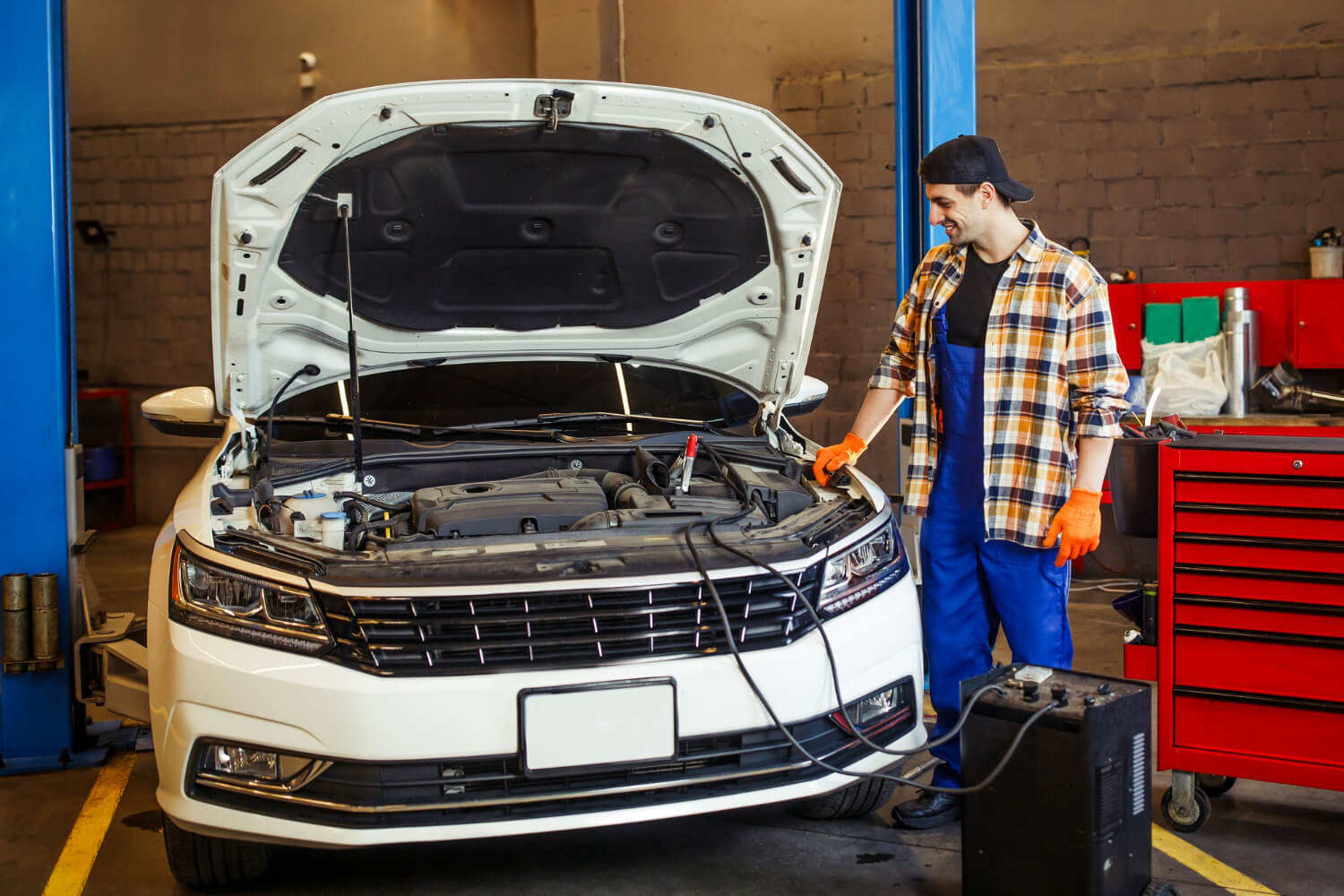
If you’ve invested in a Hyundai, you’re not just buying a car; you’re embracing a world of innovation, especially with Hyundai’s advanced SmartSense technology. While this tech promises an enhanced driving experience, understanding its maintenance is crucial to preserve your Hyundai’s peak performance. Let’s dive into why specialized repair is the only way to go for your SmartSense-equipped Hyundai.
The Role of SmartSense Technology
SmartSense is Hyundai’s suite of advanced driving assistance systems, designed to offer enhanced safety and comfort. Features like adaptive cruise control, lane departure warning, and autonomous emergency braking are part of this package. While these technologies make driving a breeze, they also demand precise care. Unlike a typical repair, servicing these systems requires attention to detail and a deep understanding of Hyundai’s proprietary technology.
Why Classic Mechanics Just Won’t Cut It
The average mechanic might excel in traditional car issues but could lack the specific tools and expertise required for SmartSense servicing. Calibration of these systems is intricate and, if mishandled, could compromise vehicle safety. Trusting your advanced Hyundai features to a general mechanic might risk improper handling, leading to subpar performance or system failures.
Common Hyundai Service Issues and SmartSense Implications
Common issues like engine performance problems, transmission troubles, and electrical malfunctions present unique challenges when SmartSense is involved. Let’s explore these in detail:
Engine Performance Problems
Hyundai engines, with SmartSense, demand high-grade fuel and regular maintenance. Engine knocking or oil sludge can interfere with sensor calibration, affecting SmartSense precision.
Transmission Troubles
A smooth transmission complements SmartSense features. Fluid checks and timely service are essential. Delays in addressing transmission issues can disrupt features like adaptive cruise control.
Electrical System Malfunctions
SmartSense relies heavily on your car’s electrical system. Power windows, central locks, and sensors are integral. Electrical mishaps can cascade into system failures affecting safety features.
Suspension and Steering Problems
SmartSense systems like lane keeping assist depend on precise steering and alignment. Suspension issues could result in inaccurate sensor feedback, affecting vehicle handling.
Brake Problems
Brake malfunctions can undermine SmartSense’s safety systems. Features like autonomous emergency braking demand optimal brake health, necessitating regular inspections and fluid replacements.
The Necessity of Qualified Technicians
Maintenance of SmartSense-equipped vehicles isn’t just about fixing what’s broken; it’s about preserving the integrity of complex systems. Certified technicians understand the intricacies of SmartSense technology, ensuring all components function harmoniously. Whether it’s recalibrating sensors after an accident or simply conducting regular maintenance, expertise is key.
Preventive Maintenance: A SmartSense Essential
Preventive care for your Hyundai involves strict adherence to maintenance schedules and using quality components. Scheduled checks ensure that all systems, particularly advanced ones, remain in top condition.
Regular Inspections and Quality Components
- Regular Inspections: Conduct comprehensive inspections to diagnose and resolve issues promptly. Ensure transmission fluid, brake components, and suspension are all routinely checked.
- Use of High-Quality Components: Commit to using high-grade fuel and replacement parts to minimise performance issues.
Steps to Ensure Optimal Performance
- Regularly check and replace vital fluids as per Hyundai’s recommendations.
- Adhere to Hyundai’s service intervals and use genuine Hyundai parts.
- Seek professional help from certified Hyundai technicians for diagnosing SmartSense and other technical issues.
- Inspect and maintain electrical systems to support the functionality of advanced features.
Conclusion
Your Hyundai isn’t just a mode of transportation; it’s a tech-savvy companion that deserves expert care. By acknowledging the unique maintenance needs of SmartSense technology, you’re not just preserving your vehicle’s value but also ensuring a safe driving experience for you and your loved ones. Trust in Hyundai’s certified service experts for peace of mind and unparalleled performance on Aussie roads.
Frequently Asked Questions about Hyundai Car Repair
Q: What are the most common issues with Hyundai vehicles?
A: Common issues include engine performance problems like knocking and oil sludge, transmission troubles, electrical system malfunctions, suspension and steering difficulties, and brake-related concerns. Keeping an eye on these potential issues can help you catch them early.
Q: How can I prevent engine knocking in my Hyundai?
A: To prevent engine knocking, use high-grade fuel, follow your service intervals, and ensure regular maintenance on spark plugs and fuel systems. Staying on top of these tasks can help keep your engine humming smoothly.
Q: Why is it important to check my transmission fluid regularly?
A: Checking transmission fluid regularly is crucial because low or old fluid can lead to serious transmission problems like rough shifting or even complete failure. It’s a simple task that can save you a heap of trouble down the road!
Q: What should I do if I notice electrical malfunctions in my Hyundai?
A: Start by checking the fuses and wiring to see if anything looks off. However, since electrical systems can be tricky, it’s often best to consult a qualified technician who can diagnose and fix any issues without any added hassle.
Q: How do I maintain the suspension and steering of my Hyundai?
A: Maintaining your suspension and steering involves ensuring proper tire pressure and committing to regular inspections. Catching any issues early can help keep your ride smooth and safe.
Q: What are some signs that my brakes need attention?
A: If you hear unusual noises like squeaking, feel vibrations when braking, or notice fluid leaks, it’s time to have your brakes inspected. Regular check-ups will help keep your braking system in top shape.
Q: Why is preventive maintenance important for my Hyundai?
A: Preventive maintenance helps you avoid big problems by addressing small issues before they escalate. Regular inspections, oil changes, and using quality parts can keep your car running smoothly.
Q: How often should I change my oil in a Hyundai?
A: Generally, you should change your oil every 5,000 to 10,000 kilometers, depending on your model and driving conditions. Check your owner’s manual for specifics to ensure optimal engine health.
Q: Can I perform maintenance on my Hyundai myself?
A: While some simple tasks like changing oil or filters can be done at home, more complex repairs should be handled by professionals. This ensures your vehicle remains in good hands and adheres to warranty requirements.
Q: How do I choose the right repair specialist for my Hyundai?
A: Look for a repair specialist with Hyundai factory training, certifications, and a good reputation. Reading reviews and asking for recommendations can help you find someone who knows the ins and outs of Hyundai repairs.