Hyundai Owners in Adelaide: What Your VIN Number Tells Wreckers About Your Car’s Value
G’day, fellow Hyundai owner! If you’re in Adelaide and own a Hyundai, understanding the value of your car, especially when considering sending it to wreckers, can be crucial. One key to unlocking this value is your car’s VIN number.
The Importance of Your Hyundai’s VIN
Your Hyundai’s VIN (Vehicle Identification Number) is a unique 17-character code that offers a treasure trove of information. It reveals more than just the model — it helps car wreckers determine parts compatibility, trim level, and resale value. Knowing this can make a world of difference when your Hyundai reaches the end of its life.
How Wreckers Use Your VIN to Assess Value
Car wreckers use the VIN to delve deeply into your car’s specific features and history. Here’s how:
- Model and Year Identification: The VIN tells wreckers exactly which Hyundai model you own and the year it was manufactured. This is essential for identifying outdated or classic models that might fetch a decent price in the used parts market.
- Parts Compatibility: With the VIN, wreckers can match your car’s components with others of the same make and model. This ensures that salvaged parts are precisely catalogued for resale, boosting their market value.
- Trim Level and Features: Knowing the trim level allows wreckers to save and sell high-demand features and premium parts, which can significantly increase the car’s worth.
Understanding the Wrecking Process
The wrecking process is not just about crushing and shredding. It’s a meticulous procedure focused on recycling and sustainability.
Initial Processing and Depollution
The first step involves responsibly removing hazardous materials like batteries, airbags, and fluids. Car batteries are a big one, containing lead and acid, and must be recycled properly.
Dismantling for Reusable Parts
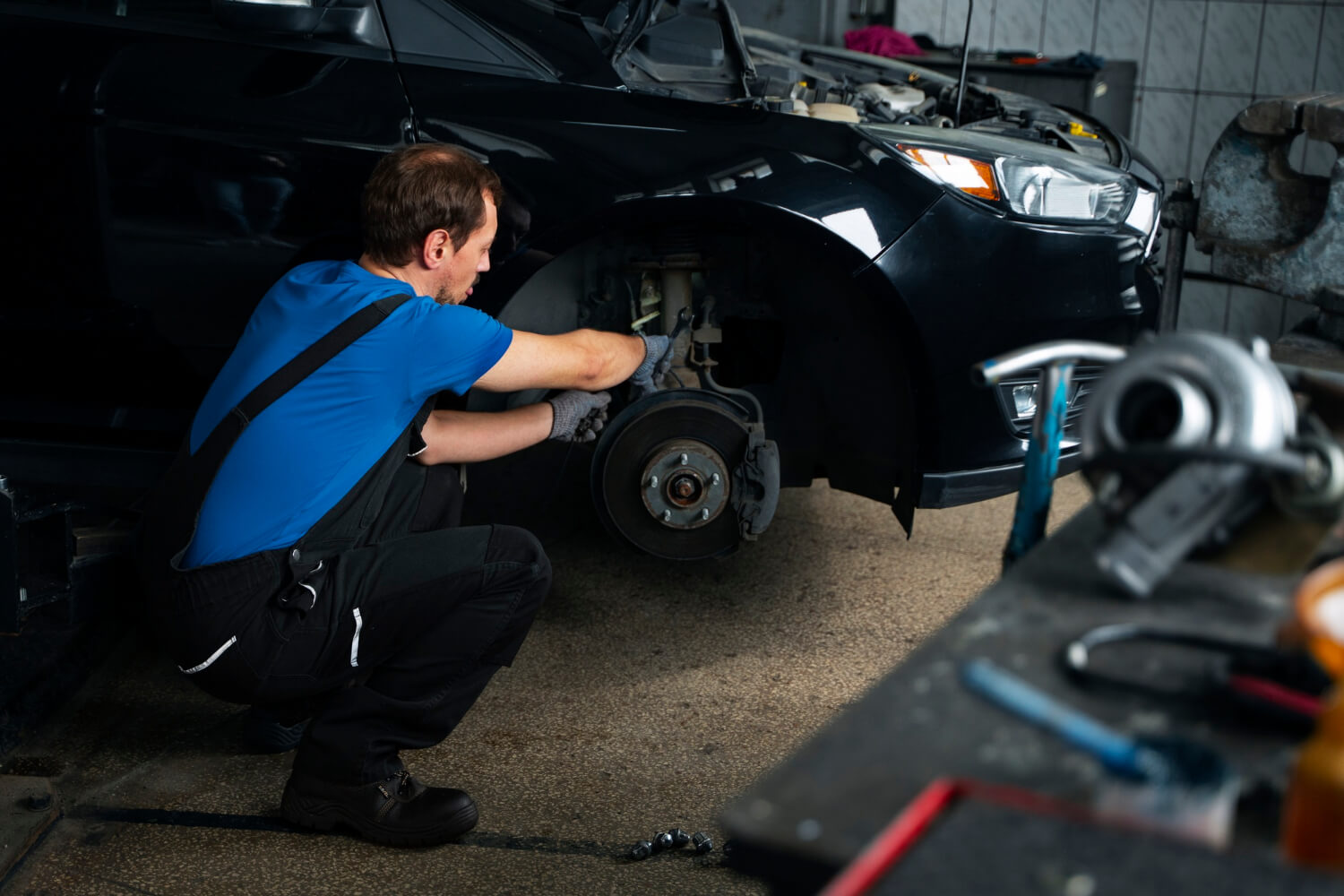
Post-depollution, the real value extraction begins. Engines, transmissions, and other valuable parts are removed, inspected, and catalogued. These parts are cleaned, tested, and stored, often providing affordable alternatives for other car owners.
Crushing and Shredding
Once all reusable parts are removed, the car’s body is crushed and shredded. This helps reduce volume for efficient transport and further recycling. Magnetic separation is crucial here — it extracts metals that can be recycled anew.
The Role of Recycling and Sustainability
Car wrecking does its part for the environment by recycling materials. Metals like steel and aluminium are melted and repurposed, reducing the need for fresh raw materials. This not only conserves resources but also cuts down on the environmental impact associated with mining.
Sustainability through Waste Reduction
By salvaging and recycling parts, the process reduces landfill waste. This aligns with global sustainability efforts and supports a circular economy where materials are reused rather than discarded.
Your Role in the Wrecking Process
As a Hyundai owner in Adelaide, you play an essential part in this environmental cycle by understanding the value of your car and making informed decisions about its end-of-life process.
When it’s time for your Hyundai to meet its fate with the wreckers, be sure to have your VIN handy. This ensures the process is as efficient and beneficial as possible, both for you and the environment.
Final Thoughts
Recycling your car isn’t just beneficial for your wallet — it’s a smart choice for the planet. By recycling and reusing parts, we conserve natural resources and create less waste. So, remember, your Hyundai’s end-of-life doesn’t mean it has no value; it’s a new beginning for high-quality recycled parts.
Thanks for reading, and I hope this sheds some light on what happens to your Hyundai behind the scenes at a wreckers in Adelaide. You might be waving goodbye to your old car, but those parts have got a journey of their own.
1. What are Hyundai car wreckers?
Hyundai car wreckers are specialized services that dismantle and recycle end-of-life Hyundai vehicles. They focus on extracting reusable parts, safely disposing of hazardous materials, and ensuring environmentally friendly recycling practices. It’s a vital service for those looking to responsibly dispose of their vehicles.
2. How does the VIN help in the wrecking process?
Your Hyundai’s VIN allows wreckers to determine parts compatibility, trim level, and resale value. Using the VIN, wreckers can accurately identify the right parts for buyers or recyclers, making the process more efficient and reliable.
3. What happens to toxic materials during the wrecking process?
Toxic materials, including batteries and airbags, are removed and disposed of according to strict environmental regulations. Proper handling ensures they are recycled safely or disposed of in a way that minimizes environmental impact, protecting our surroundings.
4. Are the parts sold by wreckers reliable?
Absolutely! Reusable parts are meticulously inspected and tested to meet quality standards. Wreckers clean, catalogue, and store these parts, ensuring they are reliable and safe for resale to those in need of affordable alternatives.
5. How does the crushing process work?
After all reusable parts are removed, the car body is compacted using powerful machinery. This process reduces the vehicle’s volume, making it easier to manage for transportation and further recycling, which helps streamline the entire operation.
6. What types of materials can be recycled from a Hyundai?
Typically, metals like steel and aluminium, as well as non-metal components like plastics and rubber, can be recycled. Wreckers employ advanced separation techniques to ensure that as much material as possible is processed and reused, supporting sustainable practices.
7. How do car wreckers assist in sustainability?
By recycling metals and reusing parts, car wreckers play a crucial role in conserving natural resources. Their practices help minimize landfill waste and reduce the environmental impact associated with manufacturing new parts, promoting a circular economy.
8. Can I sell my old Hyundai to wreckers?
Yes, you can sell your old Hyundai to wreckers. They often offer cash payments for vehicles, regardless of their condition. It’s an excellent way to get rid of a car that’s no longer functional while contributing to sustainable practices.
9. Do I need to remove parts before selling my car?
No, you don’t need to remove parts. Wreckers handle the entire dismantling process for you. Simply contact them, and they’ll take care of everything from removing reusable components to managing hazardous materials safely.
10. How can I find a reliable Hyundai car wrecker?
To find a reliable Hyundai car wrecker, search online for local services with good reviews. Check their credentials and services offered, and don’t hesitate to ask questions about their recycling processes to ensure they follow environmentally friendly practices.