
Top 5 Most Expensive Audi Parts & How to Save Money by Buying Used
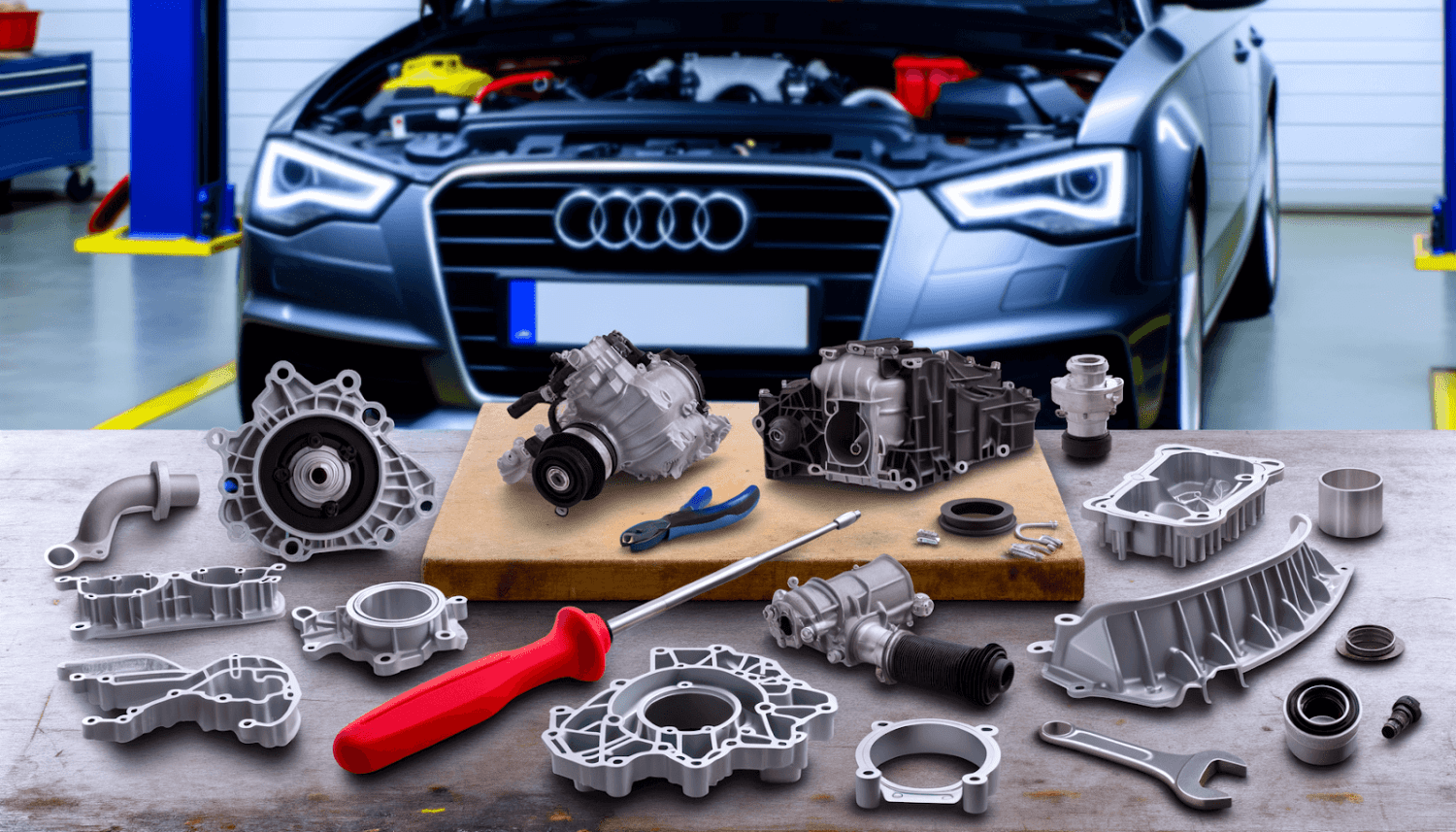
G’day mates, if you’re an Audi owner or enthusiast like me, you know that keeping these beauties in great shape isn’t just about regular servicing but also about understanding the inner workings and the parts that make your Audi tick. Today, let’s dive into the top 5 most expensive Audi parts and explore how you can save by opting for second-hand options, when done wisely.
The Importance of Genuine Audi Parts
Owning an Audi is a commitment to quality, performance, and safety. Genuine Audi parts are crucial because they ensure your car continues to offer the premium experience you fell in love with. These parts meet strict quality standards, boasting durability, reliability, and peak performance. Here’s a bit more detail on why authentic components matter:
- Quality and Reliability: Genuine parts are designed to fit perfectly, ensuring optimal performance and decreasing the risk of unexpected breakdowns.
- Longevity and Durability: Built to last, these parts help your Audi withstand the rigours of daily driving without sacrificing performance.
- Safety: Authentic parts maintain the integrity of your Audi’s safety features, protecting you and your passengers.
- Warranty Coverage: Genuine parts often come with solid warranties that provide peace of mind and protection from unexpected repair costs.
Top 5 Most Expensive Audi Parts
While genuine Audi parts are a smart choice, some components can be quite pricey. Let’s look at the top five costliest parts:
1. Engine Control Unit (ECU)
The ECU is the nerve centre of your Audi, managing everything from ignition timing to fuel injection. It’s vital for maintaining engine efficiency and, regrettably, is one of the more expensive parts to replace.
2. Transmission System
Ensuring power is effectively transferred from your engine to the wheels, the transmission is a complex system of gears and clutches. Any issues here can lead to hefty repair bills.
3. Air Suspension System
Audi’s air suspension systems offer a smooth ride and excellent handling but can be surprisingly pricey when they need replacing.
4. Turbochargers
Turbos boost your Audi’s power, giving you that thrilling drive. However, they come at a steep cost when maintenance or replacement is needed.
5. Instrument Clusters
Containing critical information displays, when these dash units malfunction, repairs can be particularly dear due to their complex electronics.
How to Save Money with Used Audi Parts
For those of us who want to keep our beloved Audis running without burning a hole in our pockets, used parts can be an excellent alternative. Here’s how buying second-hand can offer substantial savings:
Understanding the Value
Used doesn’t mean you’re settling for second best. Often, pre-owned parts have plenty of life left in them, especially if they come from well-maintained vehicles or are refurbished.
Finding Reliable Sources
It’s vital to source your parts from reputable sellers. Don’t skimp on research – check pieces thoroughly and, if possible, get a warranty on significant components like transmission systems or ECUs.
Compatibility and Quality Check
Before purchasing, confirm the part’s compatibility with your specific model. The perfect fit is essential for it to work seamlessly. Also, look for signs of wear or potential damage.
Online Marketplaces and Local Salvage Yards
These are great places to score authentic parts at a fraction of the price. But remember, always check the seller’s reputation and reviews before committing.
The Role of Professional Advice
Consult your mechanic or a specialist before purchasing used parts. Their insights can be invaluable, steering you away from poor-quality pieces and toward those that will serve you best.
Maintaining Your Audi with Genuine and Used Parts
Balancing between new and used parts involves considering both the financial implications and the performance benefits. Here’s how you can smartly integrate both:
Where to Focus on Genuine Parts
For critical components like ECUs and air suspension, sticking to genuine parts ensures maximum performance and safety. These are areas where even the slightest shortcoming can impact your driving experience.
When Used Parts Make Sense
Parts like alternators or minor suspension elements can be sourced second-hand without significantly affecting reliability, especially if they come with a service guarantee from the seller.
Combining Both for Optimal Performance
Strategically combining genuine new parts for crucial components with used parts for less vital areas can ensure your Audi runs smoothly while managing costs effectively.
Conclusion
Owning an Audi comes with its share of costs, but by understanding where you can use used parts without compromising performance, you can keep your car running at its best without breaking the bank. Remember, the key lies in being informed, sourcing wisely, and maintaining your car regularly. Do your research, and perhaps ask your trusty mechanic for some advice before making any decisions. Cheers!
Frequently Asked Questions about Audi Parts
What are Audi Parts?
Audi parts refer to any component used in the construction, maintenance, or repair of Audi vehicles. They include everything from engine parts, brakes, and suspension components, to electrical systems and body panels. Genuine Audi parts are designed to meet the brand’s high-quality standards and should be prioritized for optimal vehicle performance.
Why Should I Use Genuine Audi Parts?
Using genuine Audi parts helps maintain your vehicle’s performance, safety, and longevity. These parts are engineered specifically for your Audi model, ensuring the best fit and functionality. Plus, they tend to come with a warranty, giving you peace of mind regarding their reliability.
How Do I Identify the Right Parts for My Audi?
To find the right parts for your Audi, you can refer to your owner’s manual or visit the official Audi website. Entering your vehicle’s VIN or selecting the correct model early on can save you time and ensure you get the exact parts you need. You can also seek assistance from authorized dealerships or experienced mechanics.
What is the Cost of Audi Parts?
The cost of Audi parts can vary widely depending on the component. Commonly replaced items like brakes and filters can range from $50 to $200, while major components like transmissions or engines can cost upwards of $2,000. It’s worth comparing prices for second-hand parts versus new ones for potential savings.
Can I Save Money with Second-Hand Audi Parts?
Yes, opting for second-hand Audi parts can be a great way to save some cash. Many used parts are still in excellent condition and can perform comparably to new ones. Just make sure to source them from reputable sellers to ensure quality and reliability.
Is There a Difference Between Genuine and Aftermarket Parts?
Definitely! Genuine Audi parts are specifically manufactured to meet Audi’s standards, while aftermarket parts are made by third-party manufacturers. Using aftermarket parts can sometimes lead to performance issues or a poor fit, which can be risky for your vehicle’s performance and safety.
How Do I Maintain Audi Parts?
Regular maintenance is key! Ensure routine checks of essential components like brakes and filters and keep up with oil changes and fluid level checks. Following your vehicle’s maintenance schedule as outlined in the owner’s manual will help prolong the life of your Audi parts.
Are Audi Parts Covered Under Warranty?
Yes, most genuine Audi parts come with a manufacturer’s warranty, typically ranging from 12 months to 3 years, depending on the part. Be sure to hold onto any receipts and documentation for warranty claims if any issues arise after installation.
How Can I Order Audi Parts Online?
You can order Audi parts online from authorized Audi dealerships or through the official Audi parts website. Simply search for your desired part by entering your vehicle’s details or VIN. Some websites even offer live chat support to help you through the process.
What Should I Do if My Audi Parts Don’t Fit?
If your Audi parts don’t fit, stop installation immediately and double-check that you ordered the correct part. Contact the vendor or parts retailer for advice. If it turns out there was a mistake, most reputable sellers should offer you an exchange or refund for mismatched parts.