
Wrecking Hybrid Hondas: What Happens to the Battery and Electronics?
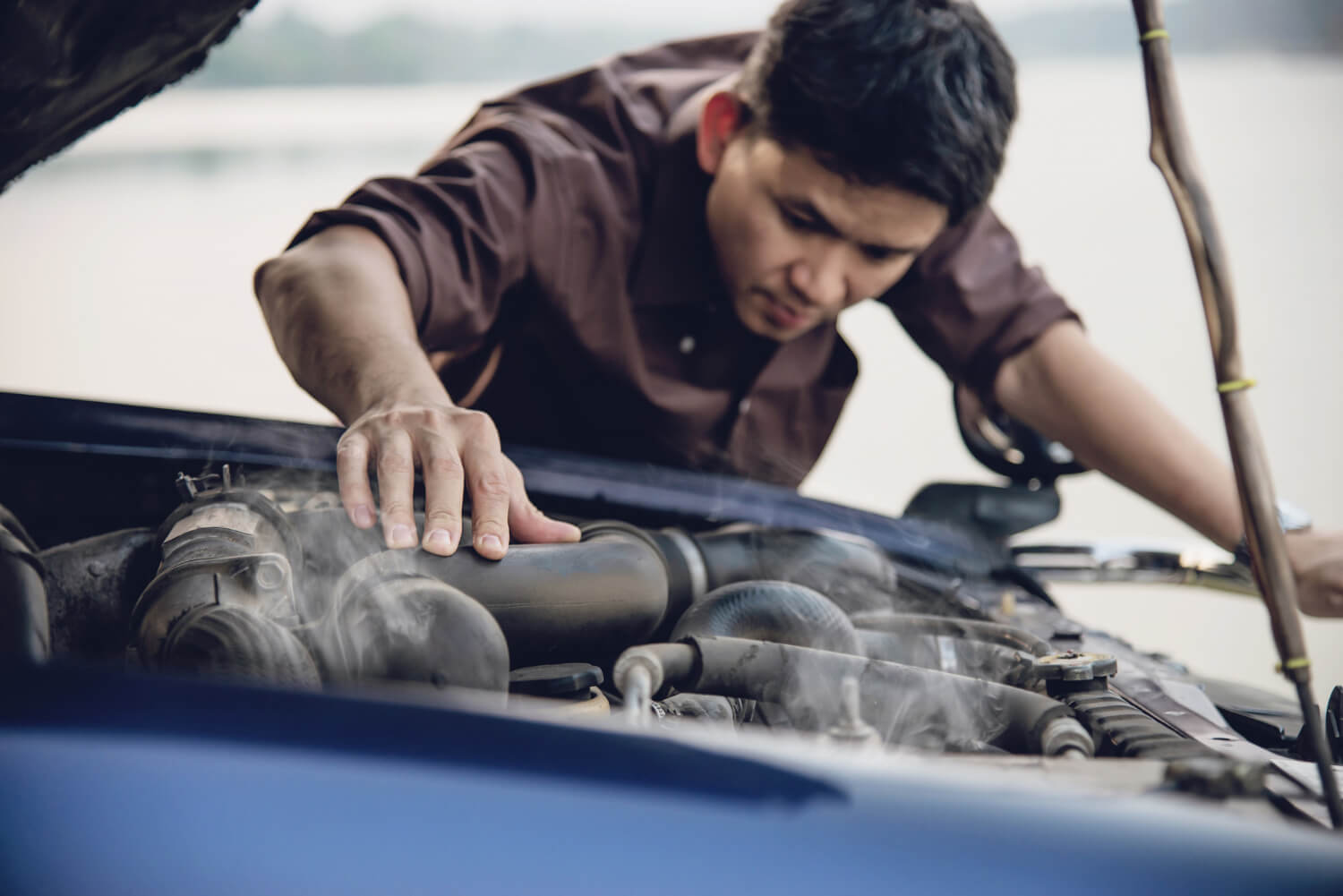
When you’re searching for “Honda car wreckers,” it’s important to understand the subtleties of handling hybrid vehicles, particularly models like the Honda Insight or CR-Z. These cars don’t just represent transportation; they embody the intersection of technology and sustainability. If you’ve got an old hybrid Honda that’s past its prime, you might be curious about what happens when it hits the wreckers. Let’s dive into how these vehicles are dismantled, how the batteries are disposed of, and how all of this aligns with eco-compliance.
Understanding Honda Car Wreckers
Honda car wreckers, often referred to as auto dismantlers, are facilities devoted to taking apart and recycling Honda vehicles that are at the end of their life cycle. These businesses are absolutely crucial for ensuring that the process of vehicle disposal is handled in an environmentally responsible way. Now, let’s look at some specific services and processes involved when it comes to hybrid cars.
Services Offered by Honda Car Wreckers
Vehicle Collection and Disposal
One of the first steps involves getting the vehicle from your driveway to the wrecker’s yard. They’ll tow the car away and begin the dismantling and recycling process. It’s not just a case of crushing metal; it’s about reclaiming usable parts and responsibly disposing of hazardous components.
Parts Recycling
The main aim here is conserving resources. Honda car wreckers break down the vehicle, salvaging parts like the engine, transmission, and any viable electronic components. Recycling these parts helps cut down the need for new ones, and it’s a win for sustainability.
Raw Material Recovery
Beyond the reusable parts, it’s about gathering raw materials like metals and plastics. These materials head back into the manufacturing stream, crucial for not just making new vehicles but many other products. Honda Trading Group plays a big role in supplying these raw materials for production.
How the Process Works
Initial Assessment
When your hybrid Honda first arrives at the wreckers, it goes through an initial assessment. The goal here is to figure out which parts can be recycled, reused, or disposed of properly. Different vehicles offer different opportunities for salvaging components.
Disassembly
The car is carefully disassembled, pulling out any parts that can be saved. These parts then get a good cleaning and rigorous testing to ensure they’re fit for resale.
Handling Fluids and Hazardous Materials
Every bit of fluid is drained from the car—oil, coolant, fuel—you name it. The hybrid’s battery and any airbags are also removed carefully, following environmental guidelines to the letter. Disposing of these components properly is vital both for safety and for meeting environmental regulations.
The Crushing Blow
Once all reusable content is stripped, the skeletal car body is crushed and shredded. The remains are sorted and sent off for recycling, often melting down the metals for reuse in new products.
Where Do Batteries and Electronics Go?
Battery Disposal
Hybrid cars come loaded with sophisticated batteries. The wrecking process involves meticulous removal, ensuring no leaks or explosions occur. Recyclers recover precious materials like lithium and cobalt, which are crucial for further production of batteries.
Eco-Compliance and the Electronics
The electronics within these hybrids require careful handling. Circuit boards and other electronic components often have materials like gold or copper that can be recycled. Compliance with regulations isn’t just about keeping the environment safe; it’s also about recycling these rare materials efficiently.
The Environmental and Economic Benefits
Environmental Gains
Less Waste, More Life
By recycling vehicles, we significantly reduce the waste being dumped into landfills. The idea is to use materials to their fullest before they become waste.
Resource Conservation
Recycling conserves energy and reduces emissions by cutting back on the need for raw material extraction and production. This helps lower the overall carbon footprint, which is a huge win for our atmosphere.
Regulations and Responsibility
Honda car wreckers comply with stringent regulations to ensure responsible recycling processes. This includes the safe disposal of hazardous materials and efforts to reduce the environmental impact.
Economic Advantages
Creating Jobs
The wrecking industry generates employment across several sectors, from the dismantling yards to parts resale specialists and raw material processors.
Cost-Effective Solutions
Recycled parts offer a cheaper alternative to new ones. This provides savings to car owners while simultaneously boosting the circular economy.
Support for Auto Manufacturing
The constant supply of recycled raw materials is crucial for manufacturing. It helps meet the sustainable demands of producing electric and hybrid vehicles while supporting a more eco-friendly industry.
The Road Ahead for Car Wreckers
Challenges and Opportunities with Electrification
As the automotive industry shifts towards electric vehicles, with Honda targeting 100% electrification by 2040, wreckers face new challenges. However, these challenges bring opportunities for innovation, particularly in the realm of battery and electronics recycling.
Advanced Recycling Techniques
We can expect advancements in recycling technology, focused on efficiently extracting rare materials from EV components.
Sustainability Focus
The future will demand a stronger emphasis on sustainable practices, right from material recovery to the disposal of hazardous elements.
All in all, Honda car wreckers are not just about scrapping cars; they’re about preserving our environment and supporting the economy. As hybrid vehicles become more commonplace, wreckers that adapt to these changing times will not only survive but thrive. So next time you’re ready to part with your beloved Honda hybrid, rest assured it’s part of a bigger, greener picture.
Q: What are Honda car wreckers?
Honda car wreckers are facilities that specialize in the dismantling and recycling of Honda vehicles that can no longer be driven. These wreckers play a vital role in ensuring that vehicles are disposed of in an environmentally friendly way by recycling parts and materials.
Q: How do Honda car wreckers help the environment?
By recycling end-of-life vehicles, Honda car wreckers reduce the amount of waste sent to landfills and conserve natural resources. They also help decrease the energy consumption and greenhouse gas emissions associated with producing new automotive materials.
Q: What happens to a car when it’s brought to a Honda wrecker?
When a car is delivered to a Honda wrecker, it undergoes an initial assessment, removing any reusable parts. Fluids are drained, hazardous materials are safely disposed of, and the remaining chassis is crushed for metal recycling.
Q: Are the parts from Honda wreckers reliable?
Absolutely! The parts obtained from Honda wreckers are evaluated and tested to ensure they meet quality standards before resale. This diligent process helps maintain both safety and reliability for used car repairs.
Q: How are hybrid Honda vehicles managed during dismantling?
Hybrid Honda vehicles like the Insight or CR-Z are treated with special care during dismantling. Wreckers are trained to handle the battery disposal safely, ensuring environmental compliance and minimizing any hazards related to hybrid systems.
Q: What types of materials do Honda wreckers recycle?
Honda wreckers recycle a variety of materials, including metals like steel and aluminum, plastics, and rubber. They also focus on safely disposing of hazardous materials like batteries and airbags, which require special handling.
Q: How can using Honda wrecker parts save money?
Using recycled parts from Honda wreckers can significantly reduce repair costs, as they are often much cheaper than new parts. This is a great way for car owners to save money while still ensuring their vehicles are safe and running well.
Q: What is the process for recycling a vehicle at a Honda wrecker?
The process typically begins with an assessment of the vehicle’s condition. After parts are removed and tested, fluids are drained, and the car is crushed and shredded for metal recovery, making the whole procedure efficient and eco-friendly.
Q: Do Honda wreckers comply with environmental regulations?
Yes, Honda wreckers must adhere to strict regulations regarding environmental safety. Compliance ensures that hazardous materials are disposed of properly and that the recycling process is conducted responsibly.
Q: What are the economic benefits of using Honda wreckers?
Using Honda wreckers provides job opportunities within the local community and offers car owners budget-friendly alternatives for vehicle repairs. Additionally, recycling parts supports the automotive manufacturing industry by lowering the demand for raw materials.